At Nimbus Massage, we understand that recovering from surgery can take a toll on your system. That’s why we offer specialized services tailored to support you through the stages of healing. Our expert therapists are trained in techniques that enhance the recovery process, reduce discomfort, and promote overall wellness.
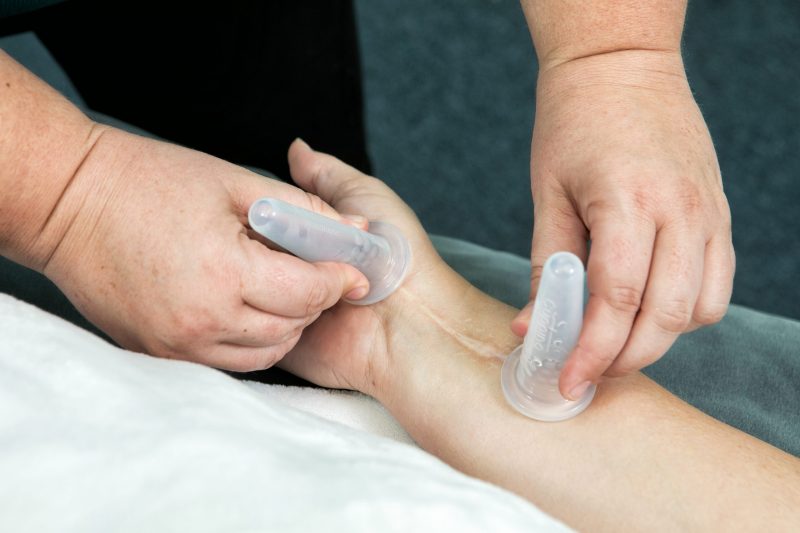
Recovering can be a long, painful, frustrating process and massage can help you feel better (faster) through it all. We can help you manage certain aspects of your healing as you progress after almost any surgical procedure,
Prior to surgery a short series of Lymphatic Massages can help clear out your system in preparation for your procedure. The Lymphatic System plays a major role in recovery, but it also handles day-to-day cleansing and healing duties. Clearing out whatever is held up in the system prior to surgery gives your body more room to deal with healing afterwards.
Pre-Op Lymphatic Massage covers the whole body in order to clear the whole Lymphatic System. Some people liken this to getting an oil and filter change in the car before a big trip– it addresses both cleaning the fluid (lymph) and the filter (lymph nodes). One session is great, and three is optimal. They should be roughly in the week leading up to surgery, but not the day before surgery.
Massage to help the recovery process comes in different forms depending on where you are in your healing. Your body follows a process while recovering from or surgery.
In the early phase (roughly one to three weeks) after the procedure your sessions will focus largely on Lymphatic Massage targeted specifically to the affected areas. This is very gentle work designed to ease swelling, reduce bruising, improve stiffness and lessen pain levels. It is important to stay gentle during this phase to not increase inflammation or disturb incisions which could set back healing. In most cases these sessions are 30 or 45 Minute sessions focused solely on the area(s) of recovery.
The next phase (roughly two to six weeks) after the surgery often blends Lymphatic, Myofascial, and Targeted Therapeutic Massage. As inflammation subsides we can add in firmer pressure work. We still address any lingering swelling, help improve movement, and reduce pain. We can also start with some techniques that support healthy scar tissue formation and reduce problematic fibrosis.
For those well into recovery we will work on whatever goals are current for people. Often, we see people who never came in during early recovery who now have dense and tight scar tissue limiting them– so we include Scar Tissue Massage here. Although we can’t “remove” scar tissue, we can help it become more pliable and move better so that you can feel freer and function better. We also see people who continue to have swelling after the initial healing phase who may need Lymphatic Massage. Many people graduate at this point to Targeted Therapeutic Massage and go into more of a “maintenance and prevention” mode.
Working with people following plastic surgery requires specialized additional training to understand the ins-and-outs of how the surgery and recovery work. All of our staff who offer Post-Op Recovery Massage have gone through training specific to Plastic Surgery Recovery.
They have training about common procedures including but not limited to the following:
A full-body Lymphatic Massage can help you prepare for surgery. A series of sessions after the procedure can support the healing process. It is beneficial for almost anyone undergoing surgery. Because of the extensive nature of plastic surgery, doctors often specifically recommend Lymphatic Massage following their procedure.
If you have a history of cancer with lymph node removal, please book an Oncology Lymphatic Massage, specialized additional training is needed in this case.
We are happy to answer any additional questions you may have. We offer phone consultations free of charge. You may also check the FAQs for more information.
For most people, adding massage into their recovery plan helps them feel better and get back to living faster. Although your medical care team is in charge of your overall plan, and massage alone isn’t enough, we often hear from our clients that their doctors are impressed with the speed at which they are healing.
Early on in the healing process we can help reduce pain, bruising, and swelling; minimize scar tissue; and increase ease of movement. It can also help you feel better emotionally.
For people with old scar tissue, we can usually help them feel freer in their movement. For many people this helps them add in more activities they like to do or even feel more like their old self.
We understand that recovering from an injury or surgery can be hard work. Your body has been through a lot. Let’s help you lessen your stress and anxiety, even before the session begins, by giving you a walkthrough on what to expect.
Check with your medical care team prior to booking, or if something changes in your health between the time you book and your appointment, to make sure you may receive massage. Once booked, fill out your intake form in advance. Please arrive a few minutes prior to your session so that we can review the information with you. Typically your first session will require a long intake process, some of your appointment time may be used reviewing your health history. Think about your goals, focus areas, energy level, sensitivities, and things that have/haven’t worked for you in the past.
It’s not always necessary, but it can be highly beneficial. Some individuals find it helps with pain management, scar tissue reduction, and overall recovery. Consult your surgeon or healthcare provider to determine if it suits your situation. You may contact us for a free consultation
A pre-surgical massage is typically in the week, but not the day, before the surgery. You may schedule up to three sessions during that time to help prepare your system for the procedure.
Post-surgical massage should start when your surgeon approves, which is usually within a few days or weeks after surgery. It depends on the type of surgery and individual healing progress.
Of course! You may bring a trusted guardian with you during your session at Nimbus Massage.
Scar tissue is a normal part of healing, but massage can help it stay healthy. Although the research is still limited, there are a few studies that show benefits for massage during the early stages of healing. These benefits include better mobility of the scar tissue, softer feel to the tissue, better visual appearance of the scar, and less pain/itching during healing.
Typically massage cannot improve the appearance of an older scar. However, massage can usually improve the mobility of the scar tissue. It can get a little softer. It can become less bound down. It can pull less on other tissues.
In order to properly perform Lymphatic Massage, your therapist must use light pressure over most of the areas they are working. Heavy pressure does not work properly and may, in fact, make your results worse. Since the pressure stays light, most people find it very comfortable.
Scar Tissue Massage will likely feel more intense than some other types of massage. We work with your feedback to provide results while staying within your comfort level. It does not need to feel outright painful to be effective.
Many recovery houses do not offer true Lymphatic Massage. Instead they perform incisional drainage where the therapist opens and pushes fluid out of the surgical incisions. They often call this Lymphatic Drainage which leads to confusion. We do not perform incisional drainage at Nimbus Massage.
For many reasons. Foremost, this is a type of wound care working with open wounds that Massage Therapists are not licensed to do. There are additional concerns about risk for infection and increasing inflammation.
Nimbus Massage has licensed and certified massage therapists in Richmond, Virginia that provide expert lymphatic massage before and after a surgical operation and after injury.
Yes, massage may not be suitable for everyone depending on their overall health or their specific surgery or injury. Always consult with your surgeon or healthcare provider before scheduling a session.
Insurance coverage for massage therapy can vary, so it’s a good idea to check with your insurance provider. We do not accept insurance, but we will provide you with receipts if you are able to pursue your own reimbursement. We do take HSA cards. To learn more about our prices, check out our pricing page
Follow your surgeon’s instructions regarding compression garments. Most people remove their garment right before the session and put it back on immediately after…
We know, it’s sooo tight! And hot!
The number of sessions required can vary greatly depending on the surgery/injury and individual healing progress. Part of the first session includes assessment, which will help us create a personalized treatment program for you. As a general rule of thumb– plan on an average of a couple of sessions per week for a couple of weeks. Then most people reduce to once every week or two until no longer needed.
For sure! Nimbus Massage will provide you tips and self-care techniques at the end of your session including gentle movement, self lymphatic drainage techniques, and other strategies to support your recovery at home.